

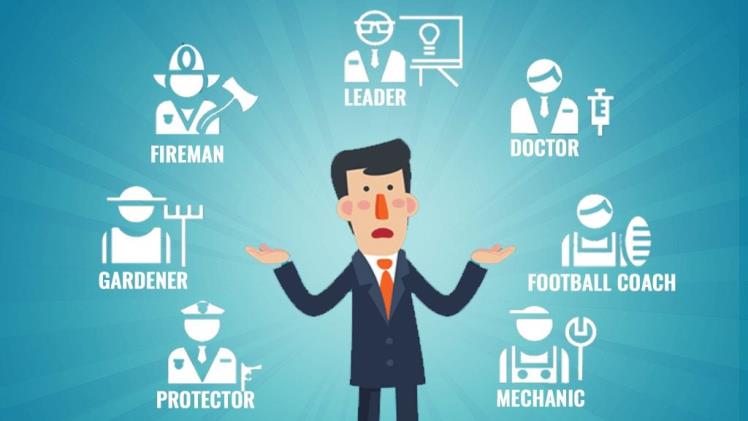
Popular Agile framework Scrum is used to manage challenging projects, especially in the software development industry. The Scrum methodology fosters cooperation, teamwork, and effective communication in order to produce superior products that meet the expectations of clients. The Scrum framework, its values, and its principles are crucially upheld by the Scrum Master. The basics of Scrum Master training are covered in this article, along with the roles and responsibilities of a Scrum Master, the advantages of receiving such training, the key components of the Scrum framework, the essential competencies for a Scrum Master, and the certification options available to aspirant Scrum Masters.
Introduction To Scrum Master Training
The goal of Scrum Master training is to provide individuals with the necessary knowledge and skills to succeed as Scrum Masters. The duties of a Scrum Master involve facilitating the Scrum process. Removing obstacles that impede the team’s progress. And ensuring adherence to the Scrum framework. Scrum Master training includes a thorough understanding of the roles and responsibilities of the Scrum Master, Product Owner, and Development Team.
The Role Of A Scrum Master
A servant-leader known as a Scrum Master is in charge of ensuring that the Scrum process is followed and that the team upholds the Scrum ideals and principles. By planning and leading Scrum ceremonies like Sprint Planning, Daily Scrum, Sprint Review, and Sprint Retrospective, the Scrum Master facilitates the Scrum process. The Scrum Master makes sure that the Development Team is aware of the Product Backlog items and that they are prioritised as well as maintained.
Benefits Of Scrum Master Training
Training in scrum master provides both individuals and organisations with a lot of advantages. Individuals can gain a thorough understanding of the Scrum framework as well as the abilities and know-how required to perform as a successful Scrum Master through Scrum Master training. The industry also values the Scrum Master certification as a vital credential that can help people progress their careers.
Scrum Master training can raise an organization’s productivity, product quality, and customer satisfaction. Organisations can gain from enhanced cooperation and communication, which can result in more effective teamwork and a better understanding of client needs, by applying the Scrum methodology.
Scrum Master Skills
For Scrum Masters to be effective in their roles, they need to possess a variety of skills and abilities. These include effective facilitation and communication abilities, conflict resolution skills, and the capacity to coach and mentor team members. Scrum Masters must also possess a thorough comprehension of the Scrum framework, as well as the capacity to put that understanding into practise.
Scrum Master Certification
The Scrum Alliance and Scrum.org are two organisations that offer Scrum Master certification. People can obtain a recognised credential that proves their expertise in the Scrum technique by becoming certified as Scrum Masters. People who want to become Scrum Masters often need to finish a training programme, pass an exam, and show that they have actual experience using the Scrum methodology.
Conclusion
For individuals and organisations wishing to use the Scrum methodology, Scrum Master training is crucial. A thorough overview of the Scrum framework is provided via scrum master training, along with the abilities and information required to succeed as a scrum master. The Scrum process must be followed, and the team must uphold the Scrum ideals and principles, according to Scrum Masters.
