

Introduction
The electron transport chain (ETC) is a remarkable biochemical process that takes place within the mitochondria of eukaryotic cells. It plays a pivotal role in cellular respiration, the process by which cells extract energy from glucose and other organic molecules. Central to the electron transport chain is the concept of electron transfer, with a series of protein complexes facilitating the flow of electrons. However, what stands as the ultimate endpoint, the final electron acceptor, and the key to unlocking this energy? The answer lies in molecular oxygen (O2), a gas we breathe every day. In this article, we will delve into the intricacies of the electron transport chain and explore why oxygen is the final electron acceptor, highlighting its critical role in energy production within cells.
The Electron Transport Chain: A Brief Overview
Cellular respiration is a complex process that involves three main stages: glycolysis, the citric acid cycle (Krebs cycle), and the electron transport chain. While glycolysis and the citric acid cycle generate small amounts of ATP (adenosine triphosphate), the primary energy currency of cells, the bulk of ATP production occurs in the electron transport chain.
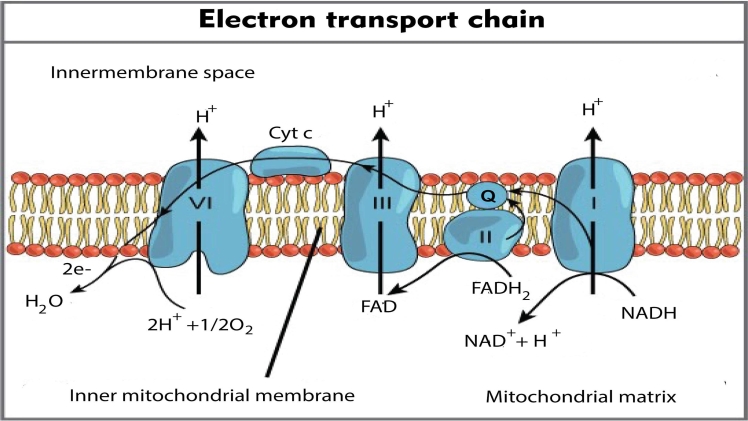
The electron transport chain consists of a series of protein complexes embedded in the inner mitochondrial membrane. These complexes, labeled I to IV, are responsible for transferring electrons and facilitating the release of energy that drives the synthesis of ATP. The electrons enter the chain through a molecule called NADH (nicotinamide adenine dinucleotide) or FADH2 (flavin adenine dinucleotide), which are produced during earlier stages of cellular respiration. As electrons move through the chain, they release energy, which is used to pump protons (H+) across the inner mitochondrial membrane, creating a proton gradient.
The Final Electron Acceptor: Oxygen
The electron transport chain is aptly named because it involves the flow of electrons, ultimately leading to their acceptance by an external molecule. In this context, oxygen serves as the final electron acceptor. But why is oxygen the chosen molecule for this crucial role? Several factors make oxygen uniquely suited for this purpose:
- Electronegativity: Oxygen is highly electronegative, meaning it has a strong attraction for electrons. This property allows it to efficiently accept electrons at the end of the chain.
- Energy Release: When oxygen accepts electrons, it undergoes a series of reactions that release a significant amount of energy. This energy is essential for the synthesis of ATP.
- Water Formation: The acceptance of electrons by oxygen results in the formation of water (H2O). This reaction combines the electrons with protons (H+) and oxygen atoms to create water molecules, which are essential for various cellular processes.
The Oxygen Paradox
While oxygen’s role as the final electron acceptor in the electron transport chain is essential for energy production, it also introduces an intriguing paradox. Oxygen, while vital for cellular respiration, can also be a source of oxidative damage within cells.
During the transfer of electrons through the electron transport chain, some electrons may leak prematurely and react with oxygen molecules, forming highly reactive oxygen species (ROS) such as superoxide radicals and hydrogen peroxide. These ROS can damage cellular components, including DNA, proteins, and lipids, leading to oxidative stress and potentially contributing to various diseases and the aging process.
Cells have developed defense mechanisms to mitigate the harmful effects of ROS, including enzymes like superoxide dismutase and catalase, as well as antioxidants like glutathione. These systems help maintain a balance between the benefits and risks of oxygen’s involvement in cellular respiration.
Anaerobic Respiration: An Alternative Pathway
While oxygen is the preferred final electron acceptor in the electron transport chain, there are situations where it may not be available, such as in anaerobic conditions (absence of oxygen). In such cases, cells rely on alternative electron acceptors, which are typically less efficient at extracting energy from electrons.
One well-known example of anaerobic respiration occurs in certain bacteria, such as E. coli, which use nitrate (NO3-) as an alternative electron acceptor when oxygen is scarce. In humans, during strenuous exercise when oxygen demand outpaces supply, muscles can undergo lactic acid fermentation, producing lactate as a temporary electron acceptor. This process leads to the buildup of lactic acid, causing muscle fatigue and soreness.
Conclusion
The electron transport chain is a remarkable and intricate process that plays a central role in cellular respiration, powering the production of ATP, the energy currency of cells. Oxygen’s role as the final electron acceptor is crucial for the efficient extraction of energy from glucose and other organic molecules. However, the involvement of oxygen also introduces the potential for oxidative stress and damage within cells, highlighting the delicate balance between its benefits and risks.
Understanding the importance of oxygen in the electron transport chain provides insight into the fundamental processes that sustain life at the cellular level. It also underscores the importance of maintaining a healthy balance between oxygen utilization and the management of reactive oxygen species, which has implications for human health and aging.
In conclusion, while oxygen is the final electron acceptor in the electron transport chain, its significance extends far beyond energy production, impacting the delicate equilibrium that sustains life in all living organisms.
